The Parking Lot Debrief: A 48-Hour Plan for the Ride Home After an Amateur Bout
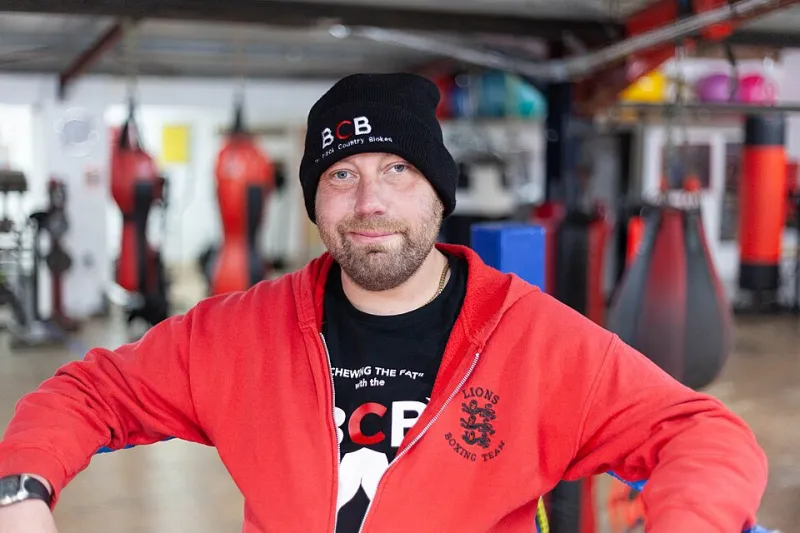
Photo: Dudley Council from England, CC BY 2.0, via Wikimedia Commons
We rehearse fight week like it's a NASA launch. Weight checks, hand wraps, walkout music, the exact minute to start skipping rope. Then the final bell rings, the hand gets raised — or it doesn't — and everyone kind of improvises. The car ride home becomes a vacuum, and vacuums get filled with whatever the loudest person in the vehicle is feeling.
That's a gap worth closing. A post-fight debrief isn't therapy and it isn't a second training camp. It's a short, predictable sequence that keeps a hard night from turning into a lost season.
The Car Is Part of the Ring
First rule for parents and cornermen: the first twenty minutes after a bout belong to the athlete, not to you. That means no scorecards, no "you should have," no slow-motion analysis at a red light. The nervous system is still dumping adrenaline, and nobody processes technical feedback well in that state.
The script we give families at our club is almost embarrassingly simple:
- Ask one question: "You good?"
- Offer one thing: water, a hoodie, quiet, food.
- Save everything else for tomorrow.
If the boxer wants to talk, let them run the conversation. If they stare out the window, that's not a crisis. It's recovery. A junior fighter who just went three rounds doesn't owe anyone a postgame press conference in a Camry.
One more car rule: no film. Not on the phone, not on the dashboard mount, not "real quick, look at this." Footage is a tool for a scheduled session, not a passenger.
Separate the Performance From the Person
Losses hit amateurs differently than pros, because most amateur boxers are still building a self-concept. A 16-year-old who drops a split decision can walk out of the building believing the scorecards described their character.
Coaches and parents can interrupt that with language. Swap "you lost" for "the bout didn't go your way." Swap "you were slow" for "your feet stalled in the second." One is a verdict on a person. The other is a note on a round.
This isn't softness. It's accuracy. And accurate language is what makes a boxer coachable on Monday instead of defensive until March.
The 48-Hour Clock
Think of the aftermath in three windows.
Zero to two hours: regulate. Food, shower, quiet. No technical instruction. A coach can say one sentence — "I'm proud of how you competed" — and then stop. Resist the urge to add a paragraph.
Two to twenty-four hours: listen. A short check-in text from the coach the next morning goes a long way: "How are you feeling today? We'll talk this week." That's it. If the boxer opens up, listen more than you lecture. If they don't reply, that's information too, not rejection.
Twenty-four to forty-eight hours: review. This is when footage makes sense — with the coach, in a chair, with a notebook, and ideally with a stated purpose. "We're watching your jab and your exits, nothing else." Open-ended film review after a loss turns into a highlight reel of everything that ever went wrong.
A Debrief Sheet That Fits on One Page
Clubs hand out bout sheets and medical forms all the time. Add a debrief sheet to the folder. Keep it short enough that people actually fill it out.
- What felt best in there? (One thing.)
- What did you see that you didn't see last time?
- Where did the plan hold up, and where did it break?
- One skill to bring to the next camp.
- What do you need from your coach this week?
- What do you need from home this week?
The last two questions are the ones most programs skip, and they're the ones that reveal whether a fighter is carrying something heavier than a decision. A boxer who writes "I need to not talk about it for a few days" has just told you exactly how to keep them in the sport.
The Parent-Coach Handshake
Most post-fight friction isn't about boxing. It's about roles blurring in the parking lot. A parent who hears a coach dissect a loss may hear criticism of their kid. A coach who hears a parent second-guess corner advice may hear a threat to their authority.
Settle it before fight night. Agree out loud that the coach owns the technical review and the parent owns the human recovery. Nobody diagnoses a concussion in the parking lot. Nobody argues about judging in the group chat. If something feels off, it goes to the coach privately, not to the bleachers.
The Kid Who Doesn't Come Back
Every club has lost a fighter who went quiet after a tough bout — no dramatic exit, just a slow fade from the attendance sheet. Sometimes that's life. Sometimes it's a car ride that went badly.
A disciplined debrief culture won't save every amateur boxer. But it makes the club predictable in the hours when people are most raw, and predictability is what trust is made of. We script the warm-up. We should script the walk back to the car, too.
Train hard, fight smart, and on the way home — belong first, analyze later.